
Blog and Knowledge
Technical articles and cutting tool guides to help you choose the right products for your operation.
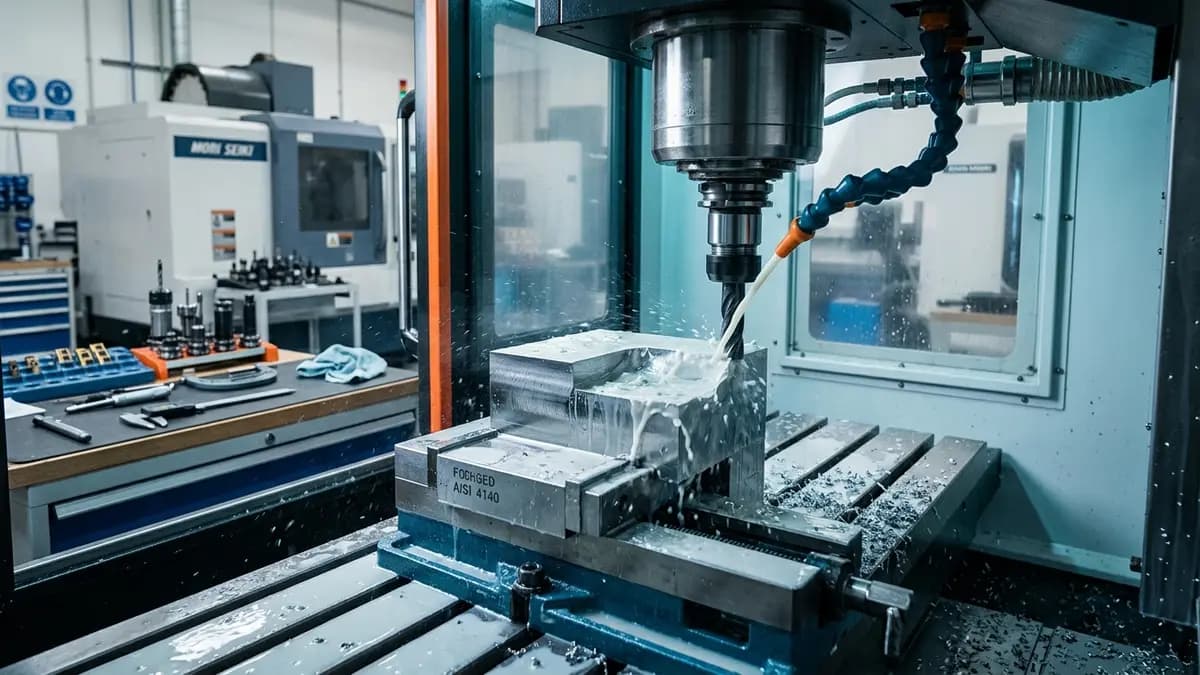
How to Choose CNC Coolant for Steel, Stainless, Cast Iron, and Aluminum
Select coolant by material, milling, turning, drilling, concentration, pressure, and nozzle direction.
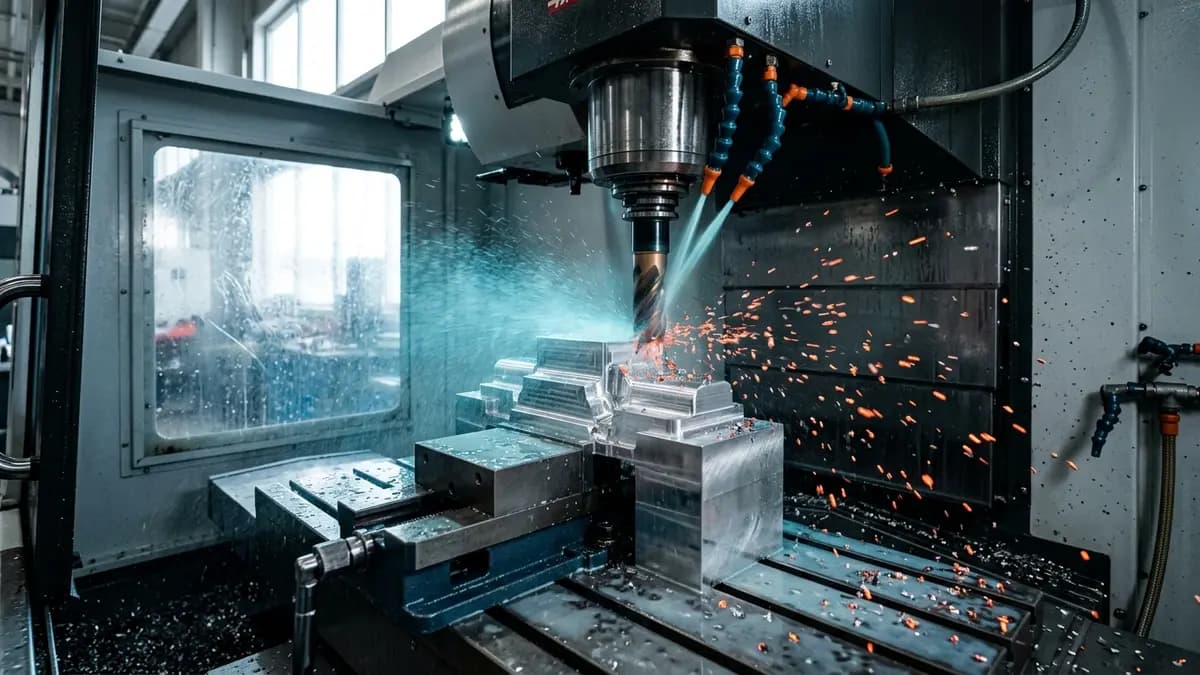
7 Practical Ways to Reduce Cutting Heat Before Tool Life Drops
Control CNC heat through speed/feed, coolant, coating, engagement, toolpath, and chipbreaker selection.
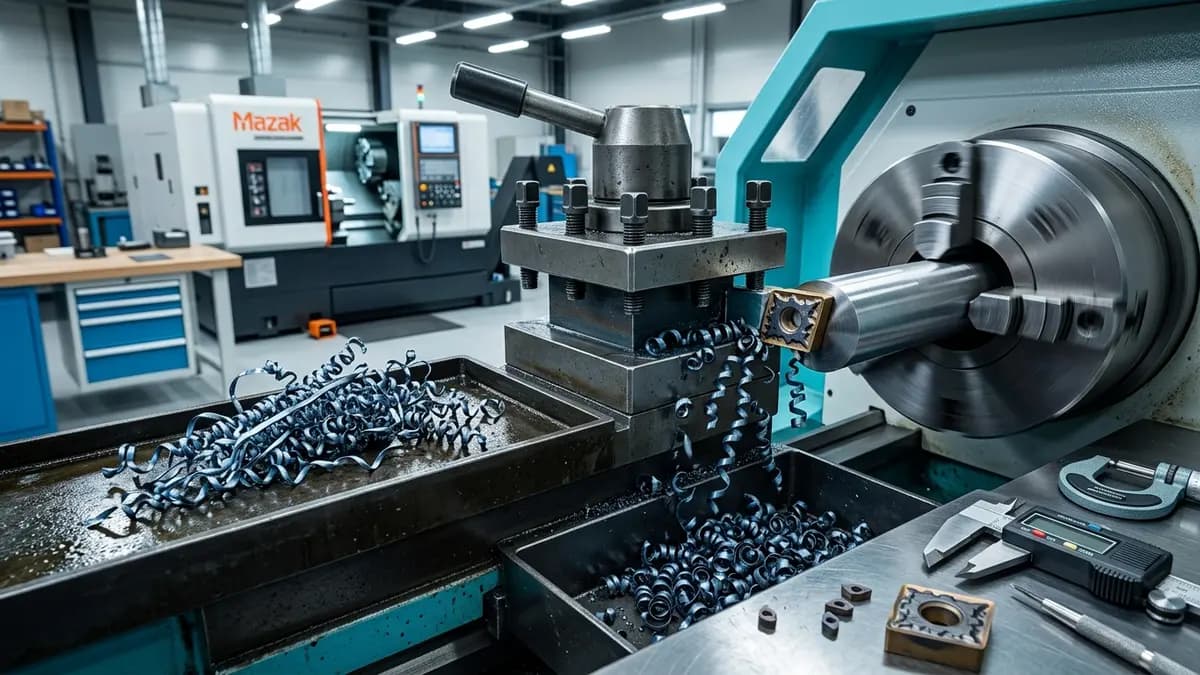
CNC Chip Breaking: Why Chips Should Break Short and What to Adjust First
Control chips through feed, depth of cut, chipbreaker, flute geometry, coolant, and material behavior.
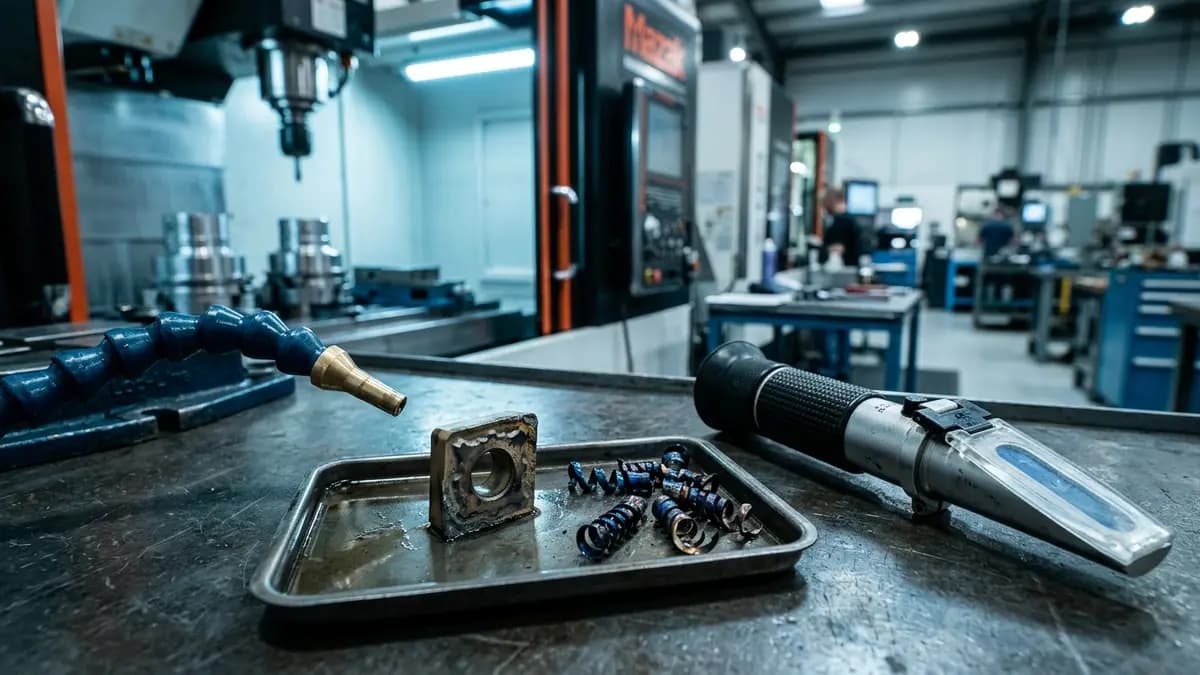
Tool Overheating and Fast Wear: What to Check in the Coolant System First
Troubleshoot pressure, concentration, nozzle direction, flow, chip color, and tool wear before changing grades.
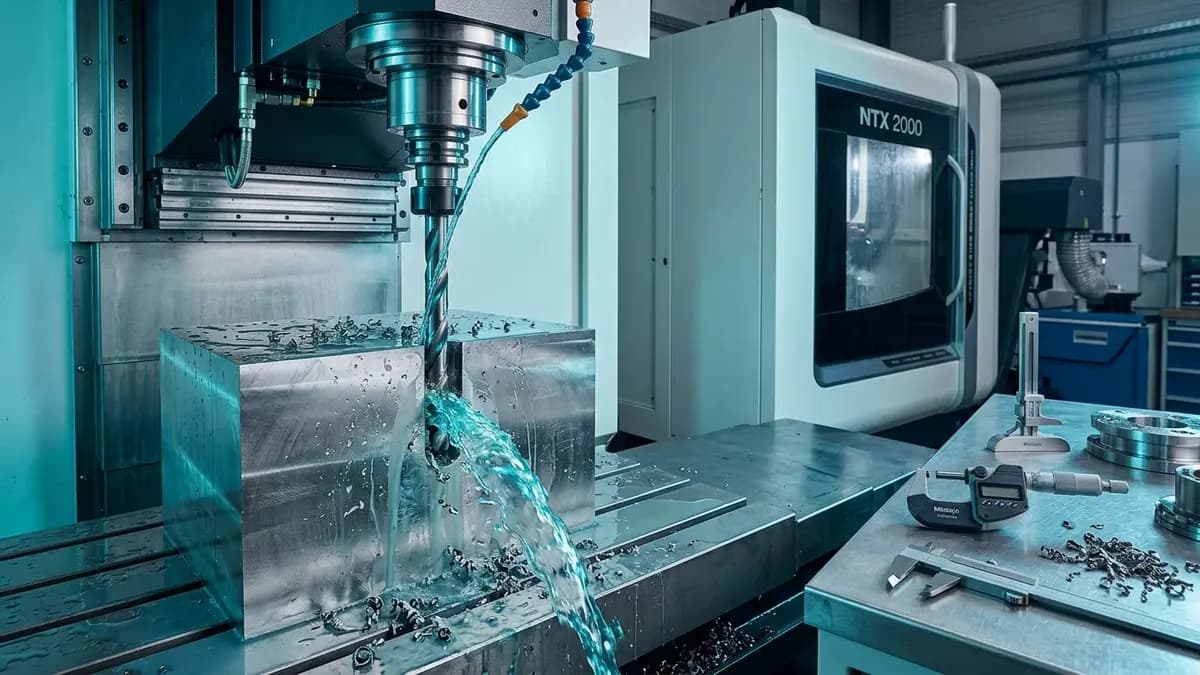
High-Pressure Coolant for Deep Drilling: When Is It Worth It?
Decide when HPC and coolant-through drills make sense by hole depth, tool life, cycle time, and downtime.
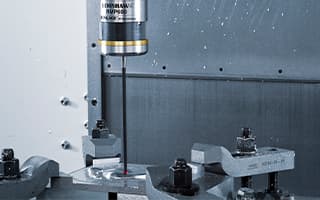
How Thai CNC Factories Use Renishaw: Probing, Tool Setting, CMM, and Process Control
A practical selection guide for Renishaw product groups in Thailand, from CNC probing and tool setting to CMM, Equator, fixtures, styli, and calibration.
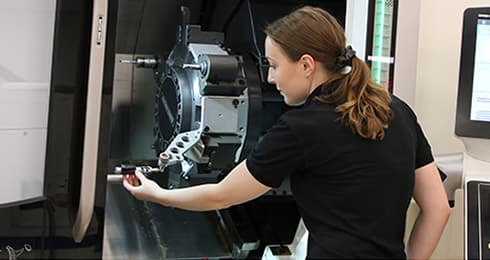
How Renishaw Machine Calibration and Process Control Reduce Scrap in Thai Factories
Use ballbar, laser calibration, encoders, Equator, and smart manufacturing data to check machine health and control variation.

Where Thai Factories Should Start with Renishaw CNC Probes and Tool Setters
How to start using machine tool probes, tool setters, and broken tool detection to reduce setup time, offset errors, and shop-floor scrap.
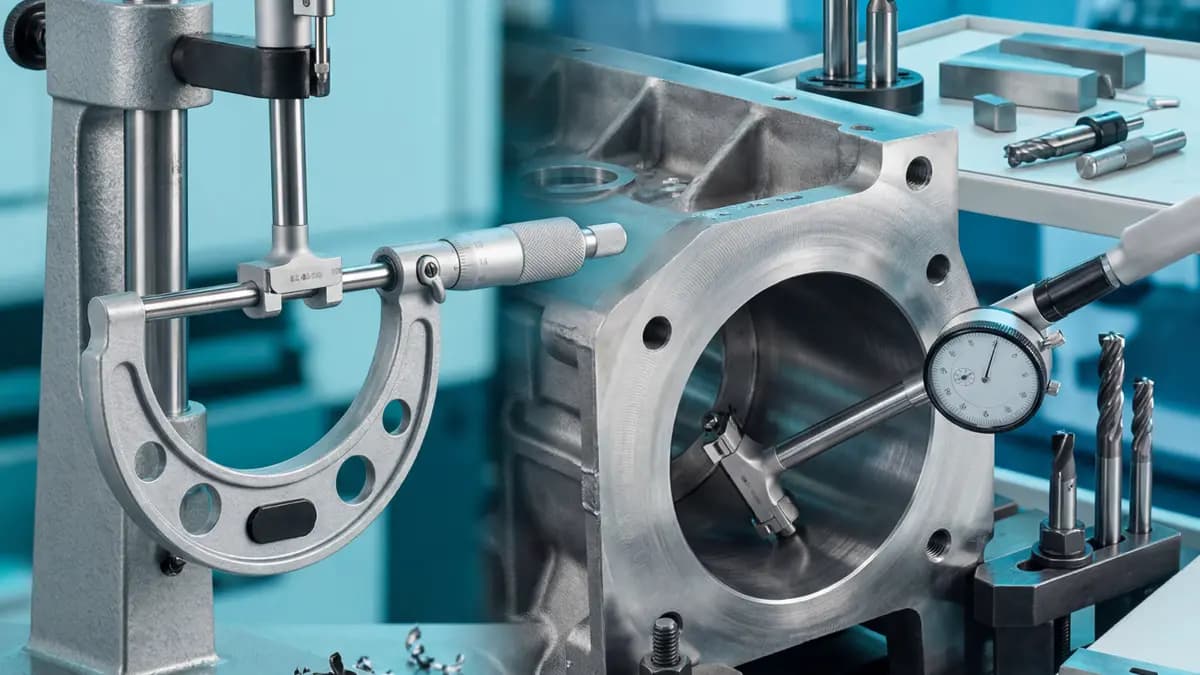
How to Use a Dial Bore Gauge for Bore Size and Roundness
Zero the gauge against a micrometer or setting ring, then rock it in the bore to find the true minimum reading.
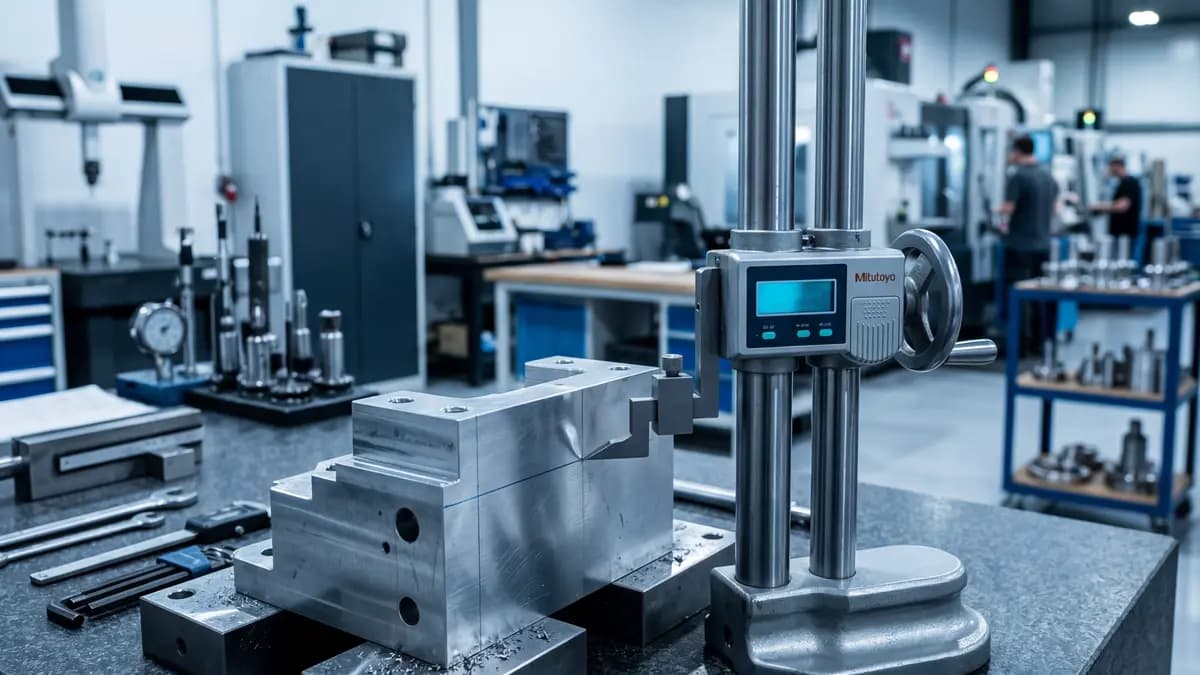
How to Use a Height Gauge and Surface Plate for Height and Layout
Use a height gauge with a surface plate for height checks, layout marks, and step inspection.